Toy rotation 101: the trick that makes old toys feel new again
The free trick that makes old toys feel new again.
Playloop team
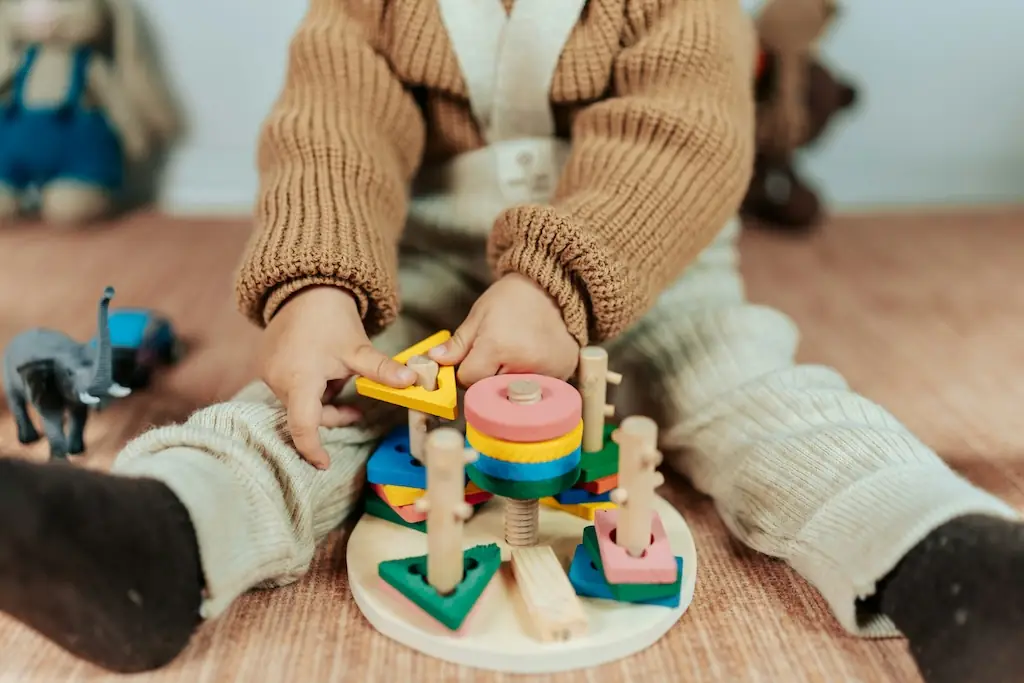
If you've never tried toy rotation, it sounds almost too simple to work: you don't buy anything new, you don't get rid of anything — you just put some toys away for a while. And yet it's one of the most effective (and free) tricks for a calmer playroom and a more engaged kid.
Why it works
Young children get bored of toys not because the toys are bad, but because their attention has simply moved on to something new in view. Put that same toy away for three or four weeks, and when it reappears, it's novel again — same toy, brand-new interest.
How to actually do it (without making it a chore)
- Pick a rotation size. Most parents find that keeping 8–12 toys accessible at a time, out of a much bigger collection, hits the sweet spot — enough variety, not enough to overwhelm.
- Group by type of play, not by theme. Make sure the "out" set covers a mix: something for building, something for pretend play, something physical, something quiet. A rotation that's all cars isn't really a rotation.
- Store the rest somewhere boring but reachable — a closet bin works fine. The point isn't a beautiful system, it's an "out of sight for now" system.
- Rotate every 2–4 weeks, or whenever you notice interest dropping off. There's no strict schedule — let your kid's actual behavior tell you when it's time.
- Watch what doesn't come back into rotation. If a toy keeps getting skipped over two or three cycles, that's usually a sign it's ready to be swapped for something new to your child, rather than stored indefinitely.
The swap connection
Toy rotation solves the "too much stuff, not enough interest" problem in the short term. But eventually, kids properly outgrow things — not just temporarily lose interest, but age out entirely. That's where rotation and swapping meet: rotation manages what's already in the house, and swapping is how you refresh it without buying new or letting it pile up in a closet forever.
Try it for one rotation cycle before you decide it's not for you. Most parents are surprised by how much of the "we need more toys" feeling was actually just a "we need different toys right now" feeling.
Nearby
Swapping in Barcelona.
Playloop is live across Barcelona. Find the families closest to you:
New stories, straight to your inbox.
A short email whenever we publish something new — swap stories, toy guides, and what's on in your neighborhood.
Want to be featured?
We're always looking for family stories — the swap that saved your week, the toy that came back to life, the playgroup that turned into friends. Tell us yours and we'll help you write it.